
I remember the first time I heard the word viltnemnda. It was late autumn, and I was sitting in a cabin near the woods with my uncle, who’d been hunting those hills for decades. The fire crackled between us, and he mentioned it casually like it was just another part of the landscape. “You need to talk to the viltnemnda,” he said, almost like he was referring to an old friend. I didn’t know what it meant back then, but the way he said it stuck with me. There was respect in his voice. Maybe even a little reverence.
It wasn’t until years later, when I started exploring Norway’s relationship with its wild spaces, that I truly understood what he meant. The viltnemnda isn’t just a committee or a bureaucratic body. It’s something more a bridge between people and the wilderness, between tradition and responsibility. And in a world where we’re constantly negotiating our place in nature, understanding what the viltnemnda does feels more important than ever.
What the Viltnemnda Actually Is
At its core, the viltnemnda is a local wildlife management board. But that phrase “wildlife management board” doesn’t capture the weight of it. These are groups of people, often hunters and landowners themselves, who make decisions about how wildlife is managed in their region. They decide hunting quotas, assess animal populations, and work to balance the needs of both nature and the people who live alongside it.
I think about my uncle again. He was part of his local viltnemnda for years, and I remember him coming home from meetings with this quiet exhaustion. Not the tired kind more like the kind you feel when you’ve been trusted with something bigger than yourself. He’d talk about moose counts and predator conflicts, about farmers losing livestock and hikers wanting more wolves. Every decision felt like a tightrope walk.
The viltnemnda operates under Norwegian law, specifically the Wildlife Act, which gives them authority over hunting and wildlife conservation at the municipal level. But the real work happens in those meetings around tables where people argue, compromise, and try to do right by the land. It’s not always clean. It’s not always easy. But it’s deeply human.
Why It Matters More Than You Think
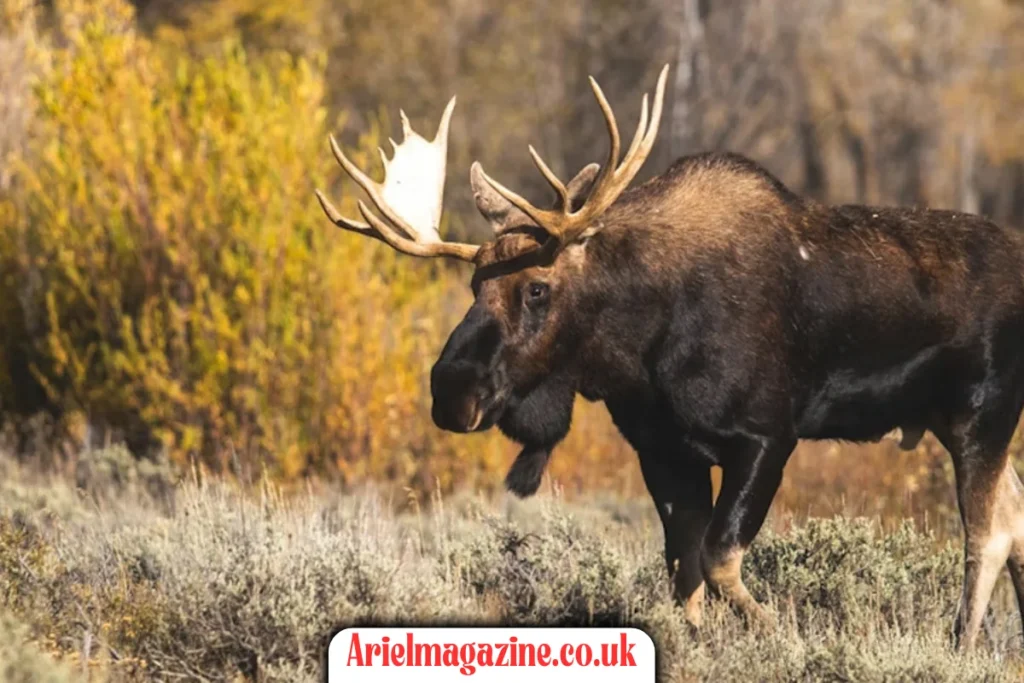
There’s something almost poetic about the way Norway approaches wildlife management. Instead of centralizing everything in some distant office, they place trust in local communities. The viltnemnda becomes the voice of the region people who know the terrain, who’ve walked those forests, who understand the rhythms of the animals that live there.
I’ve come to believe that this matters because it keeps the conversation grounded. When you have a viltnemnda made up of locals, you’re not dealing with abstract policies. You’re dealing with people who’ve seen the damage a wolf can do to a sheep herd, who’ve also marveled at a herd of deer moving through morning mist. They carry both perspectives. And maybe that’s the only way to make decisions about something as complex as wildlife.
The dihward though it’s a term I’ve heard less often seems to refer to similar regional or administrative divisions in wildlife governance. It’s not as commonly used as viltnemnda, but it speaks to the same principle: localized authority, community-driven decisions. I’ve noticed that in rural areas especially, people prefer systems where they have a say, where they’re not just told what to do by someone who’s never set foot in their forests.
The Tensions That Live Inside It
But here’s the thing being part of a viltnemnda isn’t simple. I’ve listened to enough stories to know that. There are tensions that run deep. Farmers who’ve lost animals to predators want fewer wolves. Conservationists push for rewilding. Hunters want sustainable quotas that keep traditions alive. Hikers want to see more wildlife, even if it means more risk.
And the viltnemnda sits in the middle of all that. They don’t have easy answers. They have to make choices that will upset someone, no matter what. I think about my uncle again, how he’d sometimes sit quietly after a meeting, staring out at the forest. Maybe he was wondering if they’d made the right call. Maybe he was just tired of being the one who had to decide.
What strikes me is the honesty in that tension. The viltnemnda doesn’t pretend to have all the answers. It operates in the messy middle, where science meets emotion, where data meets lived experience. And somehow, that feels more trustworthy than a system that claims to have everything figured out.
How It Shapes the Land
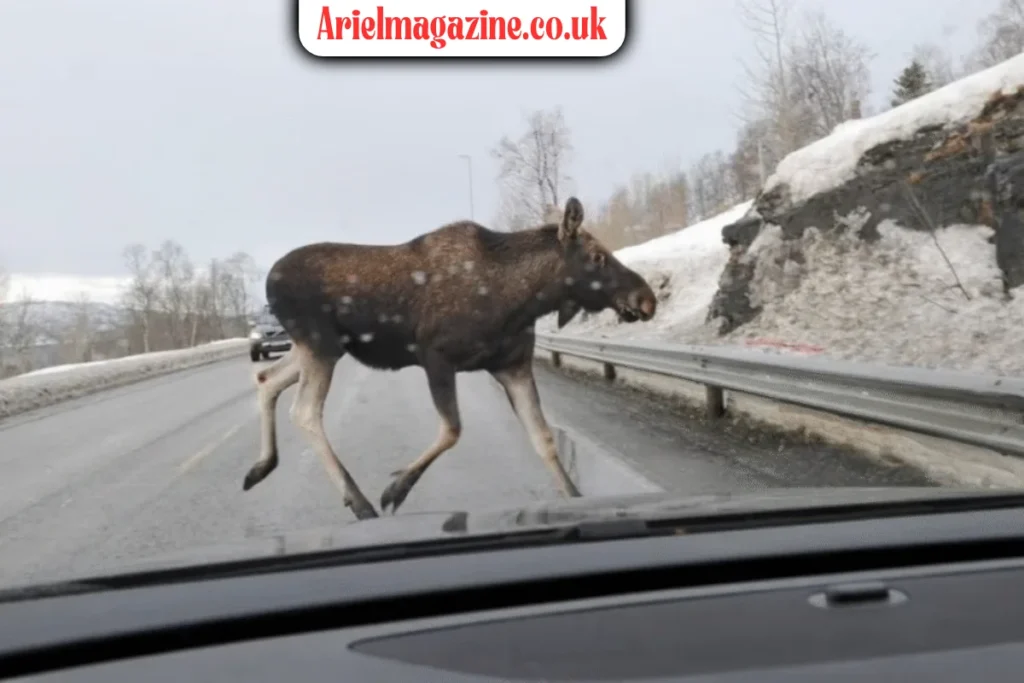
Over time, I’ve come to see the viltnemnda as more than just a decision-making body. It shapes the land itself. The quotas they set determine which animals thrive, which populations shrink. The policies they enforce influence how people interact with wildlife whether they see animals as threats, resources, or something to protect.
In some regions, the viltnemnda has worked to reintroduce species that were once lost. In others, they’ve had to make the hard call to cull populations that were growing too fast. Every decision ripples outward, changing the ecosystem in small but significant ways.
I think about the forests I walked through as a kid, and I realize now that the viltnemnda was there, quietly shaping what I saw. The moose I spotted weren’t there by accident. The absence of bears wasn’t random. It was all part of a careful, ongoing negotiation between people and nature.
Living With the Responsibility
There’s a weight that comes with being part of a viltnemnda. It’s not glamorous. You’re not celebrated. Most people don’t even know your name. But you carry the responsibility of the land, and that’s no small thing.
I wonder sometimes if my uncle felt the weight of it. He never said much, but I could see it in the way he moved through the woodslike he was walking on borrowed ground, like he knew he was only a temporary steward. Maybe that’s what the viltnemnda teaches you. That you’re not the owner of the wild. You’re just the one holding the keys for a little while.
And when your time is up, you pass them to someone else, and you hope they’ll care as much as you did.
The Quiet Authority of It All
The viltnemnda doesn’t announce itself. It doesn’t have billboards or campaigns. It just exists, doing the work that keeps the balance. And maybe that’s why it matters. In a world that’s always shouting, there’s something powerful about a system that operates quietly, rooted in place, grounded in trust.
I think of my uncle one last time, sitting by that fire, saying the word like it was sacred. Viltnemnda. Not just a committee. A responsibility. A bridge. A way of living with the wild that respects both its power and its fragility.
And maybe, in the end, that’s all we can hope for people who care enough to make the hard choices, who love the land enough to protect it, even when it costs them something.
FAQ’s
Q1. What exactly does the viltnemnda do?
A. It’s a local wildlife management board that makes decisions about hunting, wildlife populations, and conservation efforts in a specific region.
Q2. Who can be part of a viltnemnda?
A. Typically, it’s made up of landowners, hunters, and locals who have knowledge of the area and its wildlife.
Q3. Is the viltnemnda only in Norway?
A. Yes, it’s a Norwegian system rooted in their Wildlife Act and approach to decentralized wildlife management.
Q4. How often does the viltnemnda meet?
A. It varies by region, but they usually meet several times a year to discuss quotas, population assessments, and conflicts.
Q5. Can the viltnemnda’s decisions be challenged?
A. Yes, their decisions can be appealed, but they hold significant local authority under Norwegian law.
Q6. What’s the difference between viltnemnda and dihward?
A. Dihward is less commonly used but refers to similar regional divisions in wildlife governance—basically, it’s about local control.
Q7. Why does Norway trust local boards like this?
A. Because locals know the land, the animals, and the challenges. It’s about placing trust in the people who live there.
Q8. Does the viltnemnda handle predator conflicts?
A. Yes, they’re often involved in managing conflicts between predators like wolves and local communities.
Q9. How does someone join their local viltnemnda?
A. It depends on the municipality, but usually involves being appointed or elected by local stakeholders.
Q10. Is the viltnemnda system effective?
A. It has its challenges, but many believe it’s one of the most grounded, community-driven approaches to wildlife management.