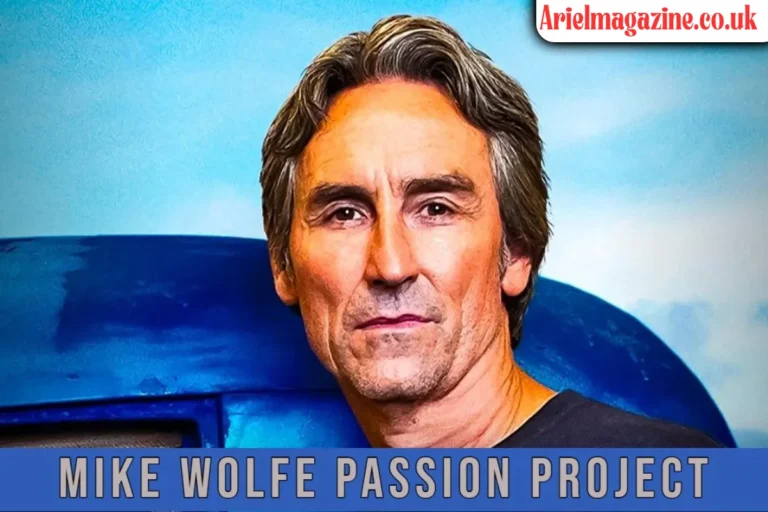
I still remember the first time I saw him on screen dusty roads, forgotten barns, and that genuine spark in his eyes when he’d uncover something nobody else thought mattered anymore. There was something about the way Mike Wolfe moved through those spaces, like he was reading stories written in rust and wood grain. I didn’t realize it then, but I was watching someone live out what so many of us only dream about: turning a childhood obsession into something real, something that breathes.
The mike wolfe passion project isn’t just one thing you can point to and say, “There, that’s it.” It’s woven into everything he touches a thread that started long before the cameras, before the fame, before anyone knew his name.
The Beginning Nobody Talks About
Mike grew up in Iowa, and from what I’ve pieced together over the years through interviews, quiet moments in episodes, the way he pauses when he finds certain objects his passion project started in the most ordinary way. A kid on a bike, riding through neighborhoods on trash day. He was maybe four or five when he found his first abandoned bicycle, pulled it from a pile, and felt that rush. That feeling of rescuing something. Giving it another chance.
I think about that a lot. How the mike wolfe passion project really began in those small moments, when no one was watching, when there was no business plan or TV deal waiting on the other side. Just a boy and his bike and the belief that things broken, forgotten things still had value.
Maybe that’s why it feels different when you watch him work. There’s no pretense. He’s not flipping items for a quick buck or performing treasure hunting for the cameras. He’s honoring something deeper. A memory. A craftsperson’s hand. The weight of time itself.
When Passion Becomes Purpose
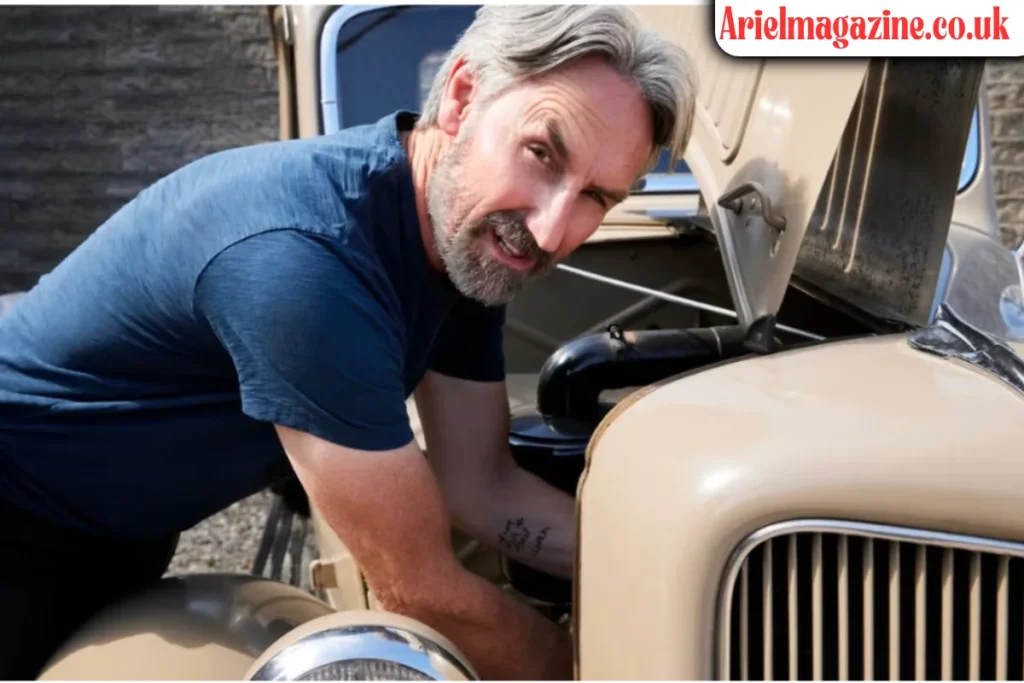
Somewhere along the way, between childhood and building Antique Archaeology, Mike’s collecting transformed. I’ve noticed this happens with true passion projects they don’t stay hobbies. They demand more. They ask you to build something around them, to create infrastructure for your obsession.
The mike wolfe passion project evolved into brick-and-mortar shops, first in LeClaire, Iowa, then Nashville. But even then, even as the business grew and “American Pickers” became a household name, there was something he kept circling back to: motorcycles.
Old motorcycles, specifically. The kind with stories embedded in their frames. Indian motorcycles. Harley-Davidsons from decades past. Bikes that had carried people through different eras, different versions of America. I remember thinking, watching him restore one particularly weathered Indian Scout, that this was where his heart really lived. Not in the transaction, not in the discovery but in the restoration. In bringing something back.
He’s talked about this in quieter interviews, the ones late at night or in print where the guard comes down a little. How preservation matters to him. How he sees himself as a custodian, not an owner. The mike wolfe passion project, at its core, is about stewardship. About saying: this mattered to someone once, and it should matter again.
You may also like: June Baranco: The Woman Behind the Headlines – A Complete Biography
The Vulnerability of Creating
Here’s what nobody tells you about turning your passion into your life’s work: it gets complicated. The thing you loved in private becomes public. The hobby that saved you becomes your livelihood, your brand, your identity. I wonder sometimes if Mike struggles with that if there are days when walking into his own shop feels different than it used to.
There’s been personal loss, too. The kind that reshapes you. The kind that makes you question what you’re building and why. Friends he’s picked with have moved on. Relationships have shifted. His brother Robbie, who battled illness, reminded everyone that time is the one thing we can’t restore or collect.
And yet, the mike wolfe passion project continues. Maybe that’s the point. Maybe when everything else feels uncertain, you return to the thing that first made you feel alive. For Mike, that’s the hunt. The discovery. The moment of connection with an object that survived when so many others didn’t.
Building Beyond the Screen
What strikes me most is how Mike’s used his platform. Yes, there’s “American Pickers,” which has run for years and introduced millions to the world of picking and preservation. But his passion project extends further. He’s invested in historic preservation, bought buildings that were crumbling, and given them purpose again. In LeClaire, in small towns across the Midwest, he’s proven that caring about old things isn’t nostalgia—it’s activism.
The mike wolfe passion project is, in many ways, a rebellion against disposability. Against the idea that newer is always better, that history is something to bulldoze rather than protect. Every piece he saves, every building he restores, is a quiet statement: this matters. We matter. Our stories, our craftsmanship, our collective memory—it all matters.
I think that’s what keeps people watching, keeps them following his journey. Not because they want to know what an old sign is worth, but because they recognize something in his searching. We’re all looking for connection to something real, something that outlasts us. We’re all trying to figure out what’s worth saving.
The Project That Never Ends
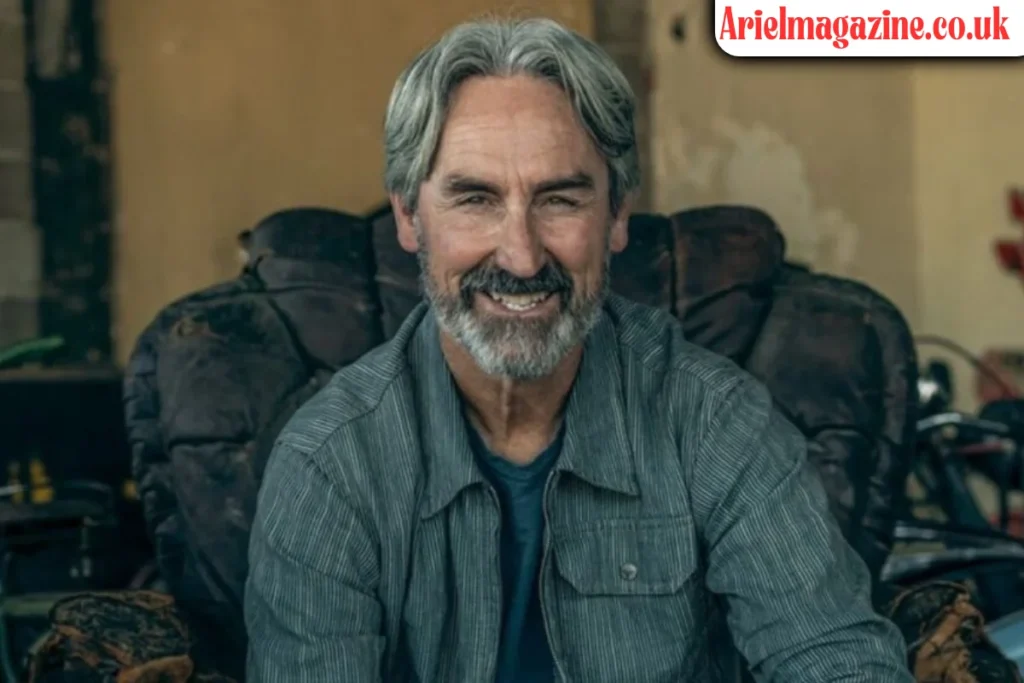
If you’re waiting for the part where I tell you Mike Wolfe’s passion project reached completion, found its final form, you’ll be disappointed. That’s not how true passion works. It evolves. It deepens. It reveals new layers the longer you commit to it.
These days, he’s exploring more than just objects. He’s diving into the stories behind them, the people, the communities that created the America he’s been documenting for years. His Instagram raw, unfiltered moments between picks shows someone still learning, still discovering, still moved by the work.
The mike wolfe passion project is alive because he keeps feeding it. Not with money or fame, but with attention. With reverence. With the same wide-eyed curiosity he had as a kid on a bike, seeing treasure where others saw trash.
Maybe that’s the lesson buried in all of this. That passion projects don’t need to be grand or profitable or even understandable to others. They just need to be true. They need to come from that place inside you that existed before you knew what success meant, before you understood business models or branding or any of it.
I find myself thinking about Mike Wolfe when I’m tempted to abandon the things I love for more practical pursuits. When the voice in my head says hobbies should stay hobbies, that passion can’t pay bills, that dreaming is for children. Then I remember that kid on the bike, pulling treasure from the trash, believing truly believing that it mattered. And I think: maybe the mike wolfe passion project isn’t just his story. Maybe it’s a permission slip for all of us to take our obsessions seriously, to honor what we love, to build something that outlasts us, one rescued piece at a time.
You may also like: CaseOh Net Worth: The Rise of Gaming’s Breakout Star
FAQ’s
Q1. What exactly is Mike Wolfe’s passion project?
A. It’s not just one thing it’s the entire philosophy he’s built his life around. Preservation, restoration, honoring American history through objects and stories. It started with childhood picking and grew into shops, shows, and historic building preservation.
Q2. How did Mike Wolfe get started with picking?
A. He began as a young kid in Iowa, combing through trash piles and neighborhoods on his bike. That first rescued bicycle sparked a lifelong passion for finding value in forgotten things.
Q3. Does Mike Wolfe still actively pick?
A. Yes. Despite the success of “American Pickers,” he remains hands-on with the hunt, the restoration, and the storytelling that comes with each piece. It’s never just been a job for him.
Q4. What’s Mike Wolfe’s connection to motorcycles?
A. Motorcycles, especially vintage Indians and Harleys, represent one of his deepest collecting passions. He sees them as rolling American history—objects that carried people through different eras and deserve preservation.
Q5. Where are Mike Wolfe’s Antique Archaeology shops?
A. He has locations in LeClaire, Iowa (the original) and Nashville, Tennessee. Both reflect his aesthetic and philosophy about American history and craftsmanship.
Q6. Has Mike Wolfe faced challenges with his passion project?
A. Absolutely. From personal losses to the pressures of turning passion into business, he’s navigated the complexity of making private love public. His brother’s health struggles also shifted his perspective on time and legacy.
Q7. What can we learn from Mike Wolfe’s journey?
A. That passion sustained over time, honored honestly, can become your life’s work. That objects carry stories worth preserving. That what we love as children often contains the blueprint for who we become.