
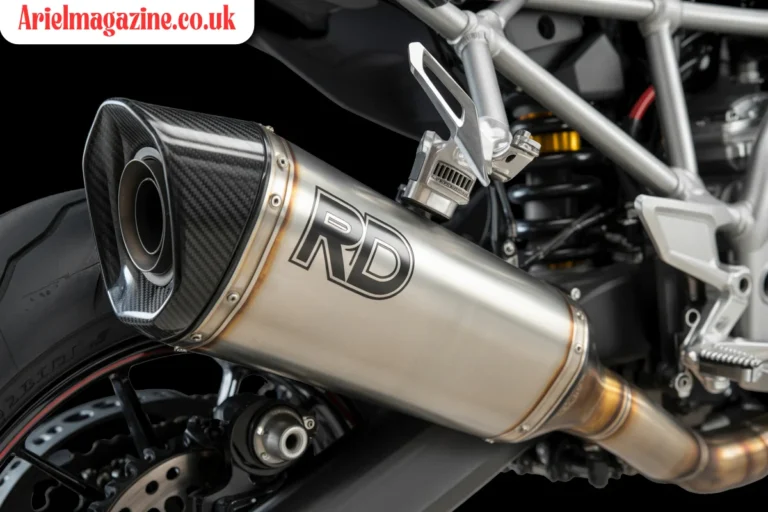
I still remember the sound that low, gravelly rumble that used to wake me up every Saturday morning when I was maybe fourteen or fifteen. My older cousin would pull up in his Honda Civic, and before I even saw the car, I’d hear it. That throaty growl bouncing off the narrow street walls. Back then, I didn’t know what an escapamento rd was. I just knew it made his car sound alive, like it had something to prove.
Years later, when I finally got my own ride a modest sedan that purred like a sleeping cat I found myself chasing that same feeling. Not the speed. Not the flash. Just that sound. That presence. Maybe that’s why so many of us end up down this rabbit hole, searching for the right exhaust system, wondering if it’ll change not just how our car sounds, but how we feel when we drive it.
The Search That Started Everything
It was a Tuesday night, I think. Late spring. Rain tapping against the window. I was scrolling through forums, YouTube videos, comparison charts. Everyone had an opinion about exhaust systems, but nobody was really talking about what I wanted to know: Does it actually matter? Will swapping out my stock exhaust for an escapamento rd make me feel different behind the wheel, or is it just noise for the sake of noise?
I remember thinking about my cousin again. How confident he looked driving that Civic. How people would turn their heads, not because the car was expensive, but because it demanded attention. And I wondered was that confidence real, or was I just romanticizing a memory?
The thing about escapamento rd systems is that they promise more than sound. Better performance. Improved airflow. Fuel efficiency, some claim. But what struck me most in my research wasn’t the technical specs. It was the stories. People talked about their exhausts like they were reclaiming something. Like installing a new system wasn’t just about horsepower it was about identity.
What I Learned (The Hard Way)
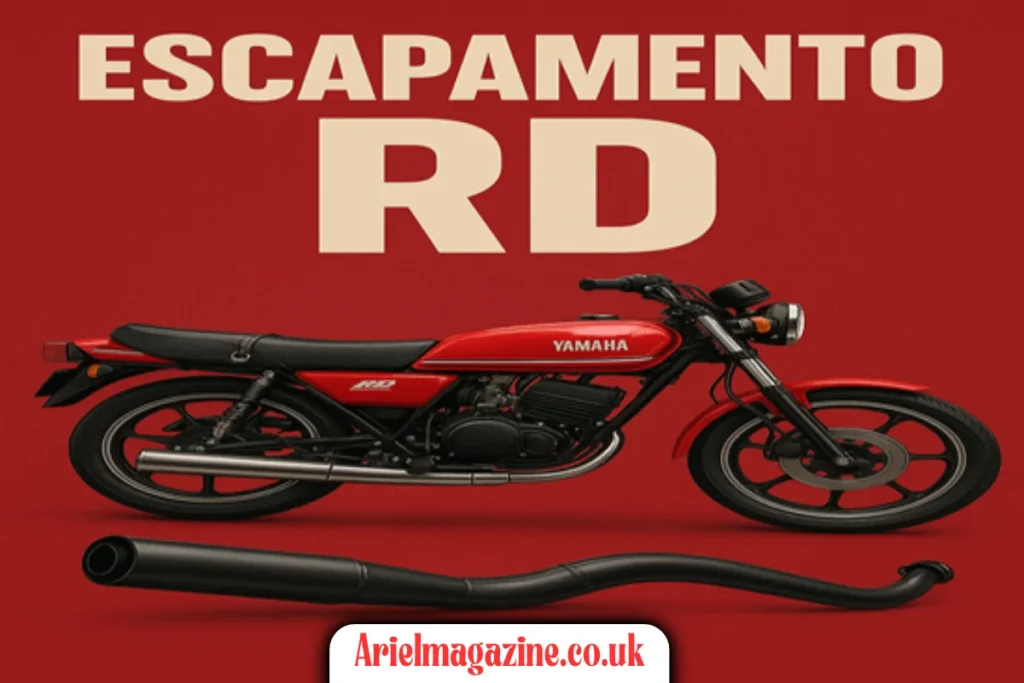
I bought my first aftermarket exhaust without really understanding what I was getting into. I went with a mid-range option, something that promised “aggressive tone without drone.” The price was decent not cheap, but not absurd either. Around R$1.200, if I’m remembering right. Installation was another R$300.
The first drive was exhilarating. That rumble at startup. The way the sound deepened when I accelerated. I felt like my cousin. I felt seen. But after a week, something shifted. The constant hum on the highway got tiresome. My wife asked me, gently, if the car was broken. I started to wonder if I’d made a mistake.
That’s when I learned the most important thing about choosing an escapamento rd: it’s not just about the sound it’s about matching the system to your life. Do you drive long distances? Do you care what your neighbors think at 6 AM? Are you chasing performance gains, or just chasing a feeling?
Breaking Down the Options
If I could go back and advise my younger self, I’d say this: there are three main paths when it comes to escapamento rd systems, and each one tells a different story.
The subtle upgrade. This is for people who want a slight improvement in sound and maybe a tiny boost in performance. It’s the safe choice. The one that won’t get you stares at stoplights. Prices usually hover between R$800 and R$1.500. I think of this as the “mature” option the one you choose when you’ve outgrown the need to announce yourself.
The aggressive setup. This is what I bought first. Loud, proud, impossible to ignore. These systems range from R$1.200 to R$2.800, depending on the brand and materials. Stainless steel costs more but lasts longer. Titanium is for the true enthusiasts lighter, more expensive, and honestly, a bit of a flex. This route is for people who want their car to sound like it’s always accelerating, even when it’s not.
The performance beast. This is where things get serious. We’re talking R$3.000 and up, sometimes way up. These aren’t just exhaust systems; they’re complete performance packages. Wider piping. High-flow catalytic converters. Dyno-tested gains. If you’re building a track car or genuinely care about shaving seconds off your lap times, this is the tier. But for most of us? It’s overkill.
I wish someone had told me that the best escapamento rd isn’t the loudest or the most expensive it’s the one that fits who you are now, not who you think you want to be.
The Benefits Nobody Mentions
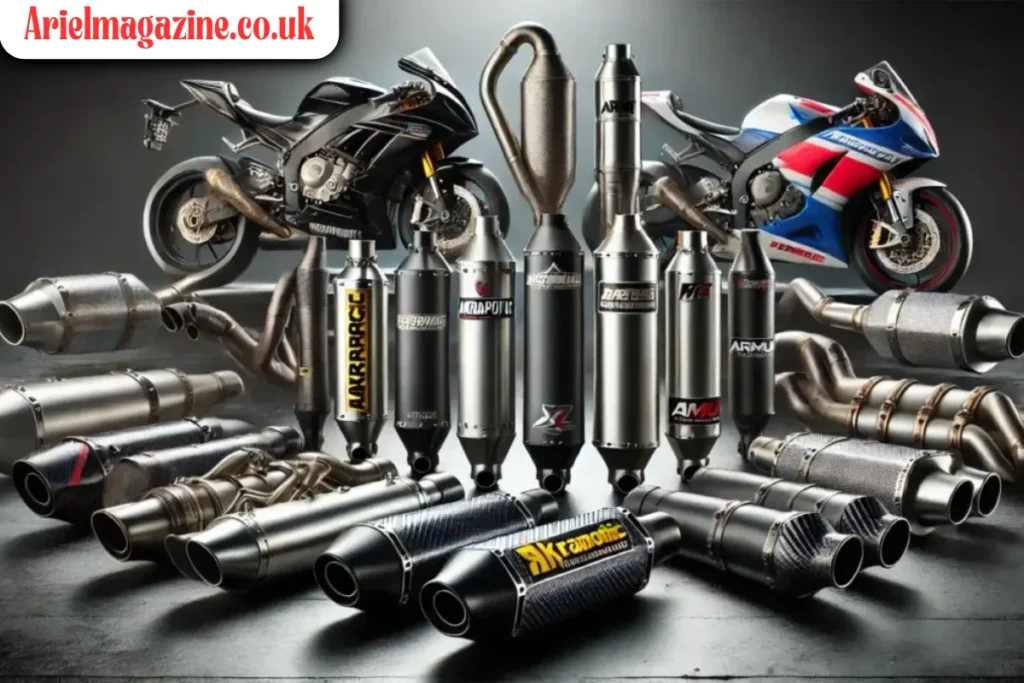
Everyone talks about horsepower and sound. But there are quieter benefits to upgrading your exhaust, things I only noticed after months of living with my new setup.
First, there’s the weight reduction. A good aftermarket escapamento rd is often lighter than the factory system, especially if you go with stainless steel or titanium. It’s not a dramatic differencemaybe 5 to 10 kilos but you feel it. The car responds a bit quicker. The handling feels tighter. It’s subtle, like the difference between wearing heavy boots and light sneakers.
Then there’s the aesthetic. I never cared much about how my exhaust looked until I saw a polished stainless tip peeking out from under my rear bumper. It’s a small detail, but it changes the whole vibe of the car. It looks intentional. Cared for.
And maybe this is silly, but there’s a pride that comes with making your car your own. Every time I start the engine now, I’m reminded that I chose this. I researched. I saved. I invested in something that matters to me, even if nobody else notices.
The Doubts That Linger
I’d be lying if I said I’m 100% satisfied. Some mornings, when I start the car and hear that rumble echo through the quiet street, I feel a pang of guilt. Am I that guy now? The one who needs his car to make noise?
But then I remember my cousin. How he wasn’t trying to annoy anyone. He just loved his car. And maybe that’s okay. Maybe it’s okay to want something that makes you feel a little more alive, even if it’s just the sound of your escapamento rd echoing off the walls.
I think about the price sometimes too. Could I have spent that R$1.500 on something more practical? Probably. But when I’m driving at dusk, windows down, and the exhaust note harmonizes with the road, I don’t regret it. Not really.
Finding Your Fit
If you’re considering an escapamento rd upgrade, my advice born from mistakes and late-night research is this: listen first. Find someone with the system you’re considering and ask to hear it in person. YouTube videos don’t capture the true tone. And definitely don’t capture how it sounds from inside the cabin, which is where you’ll spend 99% of your time.
Think about your priorities. Are you chasing performance? Go for a high-flow system with dyno-proven gains. Want a better sound without the hassle? Stick with axle-back or cat-back options. And if you just want your car to look better, sometimes a new tip is enough.
Most importantly, consider your life. Your commute. Your family. Your neighborhood. An escapamento rd that sounds perfect at the track might be unbearable in daily traffic.
The Ending I Didn’t Expect
I saw my cousin last month. His Civic is long gone, traded for a practical crossover with a baby seat in the back. We laughed about the old days, about how loud that car used to be. He said he doesn’t miss it, which surprised me.
But I think I understand now. The escapamento rd wasn’t really about the sound. It was about a moment in time. A version of himself he needed to be back then.
Maybe that’s what all of this is. A way of marking where we are. Of saying, even in the smallest way, that we’re here. That we matter. That the sound we make however loud or soft is ours.
And some rainy spring nights, when I’m scrolling through forums again, I think that’s enough.
Perguntas Frequentes
Q1. Quanto custa um escapamento RD em média?
A. Os preços variam bastante. Você pode encontrar opções básicas por volta de R$800, enquanto sistemas completos de alta performance podem passar de R$3.000. A maioria das pessoas gasta entre R$1.200 e R$2.000.
Q2. Escapamento RD aumenta a potência do motor?
A. Pode sim, mas depende do sistema e do motor. Melhorias no fluxo de gases geralmente trazem ganhos modestos entre 5 a 15 cavalos. Não é uma transformação dramática, mas você sente a diferença na resposta do acelerador.
Q3. É legal instalar escapamento esportivo no Brasil?
A. Tecnicamente, qualquer modificação precisa ser homologada. Na prática, muita gente instala e usa sem problemas. Mas você pode ser multado se o ruído ultrapassar os limites do CONTRAN—especialmente em blitzes ambientais.
Q4. Escapamento RD gasta mais combustível?
A. Na verdade, não. Um bom sistema pode até melhorar a eficiência porque o motor respira melhor. Mas se você começar a acelerar mais porque gosta do som, aí sim, o consumo aumenta. É mais comportamento que mecânica.
Q5. Qual material é melhor: inox ou titânio?
A. Inox é mais comum e oferece ótimo custo-benefício dura bastante e não enferruja. Titânio é mais leve e aguenta temperaturas extremas, mas custa bem mais. Para uso diário, inox resolve.
Q6. Escapamento esportivo dá problema na revisão?
A. Depende da concessionária. Algumas são flexíveis, outras podem alegar que modificações anulam a garantia. Se seu carro ainda está na garantia, vale conversar antes de modificar.
Q6. Preciso trocar mais alguma peça junto com o escapamento?
A. Não necessariamente. Mas se você quer extrair todo o potencial, vale considerar um filtro de ar esportivo e, às vezes, um chip de injeção. Tudo depende do quanto você quer investir e modificar.
Q7. Como saber se o escapamento que vi na internet vai ficar bom no meu carro?
A. Busque vídeos específicos do seu modelo de carro com aquele escapamento. Tente ouvir pessoalmente também. O som varia demais de acordo com o motor e o peso do veículo. E lembre-se: vídeos sempre exageram um pouco.