
There was this morning last March cold, gray, the kind where even the coffee tastes a little sad—when I stood in my kitchen staring at a piece of bread like it held answers I hadn’t asked for yet. I was tired. Not the kind of tired that sleep fixes, but the kind that sits in your bones from too many rushed mornings, too many skipped meals, too many days of feeling like you’re running on empty. And I remember thinking: when did eating become so complicated?
That’s when toastul entered my life. Not with fanfare or some grand revelation, but quietly, the way most good things do.
I didn’t know what to call it at first. It wasn’t just toast—though that’s where it started. It wasn’t a trend I found scrolling through my phone at 2 a.m., and it wasn’t something a wellness influencer told me would change my life. It was simpler than that. It was necessity meeting intuition, hunger meeting patience, and somehow, in the space between those two things, I found something that felt like care.
The Beginning of Something Small
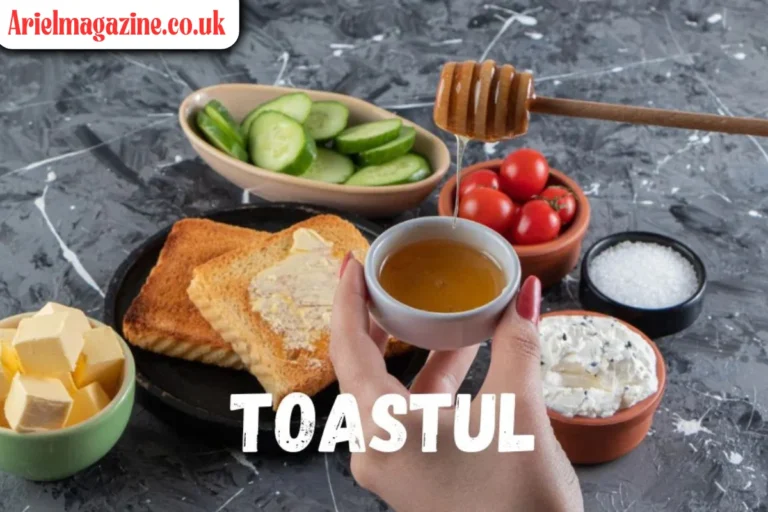
I think we forget, sometimes, how much power lives in the small things. A slice of bread. A drizzle of olive oil. A pinch of salt. The way your hands move without thinking, spreading avocado or hummus, layering tomatoes or a soft-boiled egg. There’s a rhythm to it, a meditative quality that I hadn’t noticed before because I was always in such a hurry.
Toastul became my answer to mornings that felt too heavy and evenings that felt too rushed. It wasn’t about perfection—it was about showing up for myself in the smallest, most tangible way I could. Some days it was whole grain bread with almond butter and sliced banana. Other days it was sourdough with ricotta, honey, and a handful of berries. The ingredients changed, but the intention didn’t.
I started noticing things. My energy didn’t crash by mid-morning anymore. I felt steadier, somehow. More balanced. Like I’d found a rhythm I didn’t know I’d been missing.
Why It Worked When Nothing Else Did

Maybe that’s why toastul worked when so many other things hadn’t. It didn’t demand much from me. It didn’t require meal prep on Sundays or ingredients I couldn’t pronounce. It didn’t come with rules or restrictions or the kind of pressure that makes you feel like you’re failing before you even start.
It was just… there. Reliable. Flexible. Forgiving.
I remember reading somewhere that the best habits are the ones you can sustain even on your worst days. And I think that’s what toastul became for me—a habit I could hold onto even when everything else felt like it was slipping. On the mornings when I woke up anxious, when my to-do list felt insurmountable, when I couldn’t imagine sitting down for a full meal, I could still make toastul. And that small act of nourishment, that five-minute pause, became an anchor.
There’s something deeply human about bread, isn’t there? It’s ancient. Elemental. Every culture has its version, its relationship with grains and heat and time. And when you build on that foundation—when you add the things your body needs, the things that make you feel alive—it becomes more than food. It becomes ritual.
The Science I Didn’t Know I Was Practicing
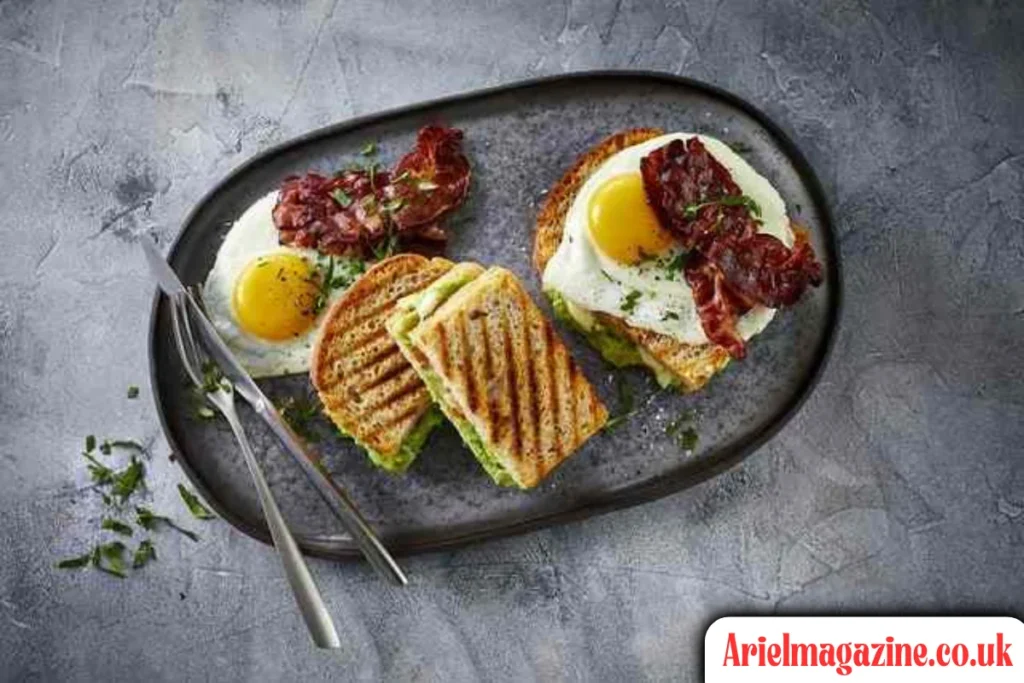
I’m not a nutritionist. I’m not someone who tracks macros or reads studies for fun. But I started noticing patterns. The days I had toastul with protein—eggs, nut butter, Greek yogurt—I felt fuller longer. When I added healthy fats, like avocado or a drizzle of tahini, my brain felt clearer. Whole grains gave me sustained energy instead of the spike-and-crash I’d grown so used to.
It wasn’t magic. It was just balance. The kind of balance your body recognizes even when your mind is too distracted to notice.
I learned, almost by accident, that toastul could be whatever I needed it to be. A quick breakfast before work. A light lunch with a side of soup. A satisfying dinner when I was too tired to cook but still wanted something that felt intentional. It adapted to my life instead of forcing me to adapt to it.
And maybe that’s the real gift—the way it made space for me exactly as I was, without asking me to be different or better or more disciplined.
What I Wish I’d Known Sooner
If I could go back to that gray March morning, I’d tell myself this: it doesn’t have to be hard to be good for you. I’d spent so long believing that wellness required effort, that if something felt easy it probably wasn’t working. But toastul taught me otherwise.
I wish I’d known that nourishment could be gentle. That taking care of yourself doesn’t always look like green smoothies and meal plans and complicated recipes. Sometimes it looks like toast. Sometimes it looks like showing up for yourself in the smallest, most ordinary way possible and trusting that it’s enough.
Because here’s the thing I keep coming back to: we make thousands of choices every day, most of them unconscious. But the ones we make about food, about how we fuel our bodies and our minds—those echo. They ripple out into everything else. And when you start your day with something that makes you feel grounded, something that tastes good and feels good and doesn’t carry guilt or pressure, it changes the tenor of everything that follows.
The Quiet Revolution of Enough
There’s no dramatic ending to this story. No moment where everything clicked into place and suddenly my life was transformed. Toastul didn’t fix everything—it was never meant to. But it gave me something I’d been missing: consistency without rigidity, nourishment without complication, care without conditions.
I still make it most mornings. Sometimes I experiment—adding new toppings, trying different breads, layering flavors I wouldn’t have thought to combine before. Other times I stick with the classics, the combinations that feel like muscle memory now. And either way, it feels like mine.
Maybe that’s what we’re all searching for, in the end. Not perfection. Not the one right answer. Just something that works, something that fits, something that makes us feel a little more like ourselves. Something that whispers, quietly, persistently: you’re doing okay.
And some days, that’s more than enough.
FAQ’s
Q1. What exactly is toastul?
A. It’s really just elevated toast—simple, nourishing, made with intention. Think of it as a canvas for whatever your body needs that day.
Q2. Is toastul actually healthy or just trendy?
A. It’s as healthy as you make it. When you build it with whole grains, good fats, and protein, it becomes a genuinely balanced meal. The trend part doesn’t matter—what matters is how it makes you feel.
Q3. Can toastul help with energy levels?
A. I found it did, especially when I included protein and complex carbs. It gave me sustained energy instead of that mid-morning crash I used to get.
Q4. What are the best toppings for toastul?
A. Honestly, whatever you love. I rotate between avocado and eggs, almond butter and banana, hummus and vegetables, ricotta and berries. Trust your cravings.
Q5. Is toastul good for weight management?
A. It can be part of a balanced approach. Because it’s filling and flexible, it helped me stop skipping meals and reaching for less nourishing options later.
Q6. How is toastul different from regular toast?
A. It’s mostly about intention. Regular toast is often an afterthought. Toastul is deliberate chosen toppings, balanced nutrition, a moment of care in your day.
Q7. Can I make toastul for dinner?
A. Absolutely. I do it all the time when I want something light but satisfying. Add a side salad or soup and it feels like a complete meal.
Q8. What kind of bread works best for toastul?
A. Whatever you enjoy and can tolerate. I prefer whole grain or sourdough for the texture and nutrients, but the best bread is the one you’ll actually eat.
Q9. Does toastul work for meal prep?
A. The toppings can be prepped ahead hard-boiled eggs, sliced vegetables, portioned nut butter. But I prefer making it fresh. It only takes five minutes anyway.
Q10. Why do people connect with toastul so much?
A. I think because it’s approachable. It doesn’t require special skills or expensive ingredients. It’s food that meets you where you are, and sometimes, that’s exactly what we need.